Discussion Questions
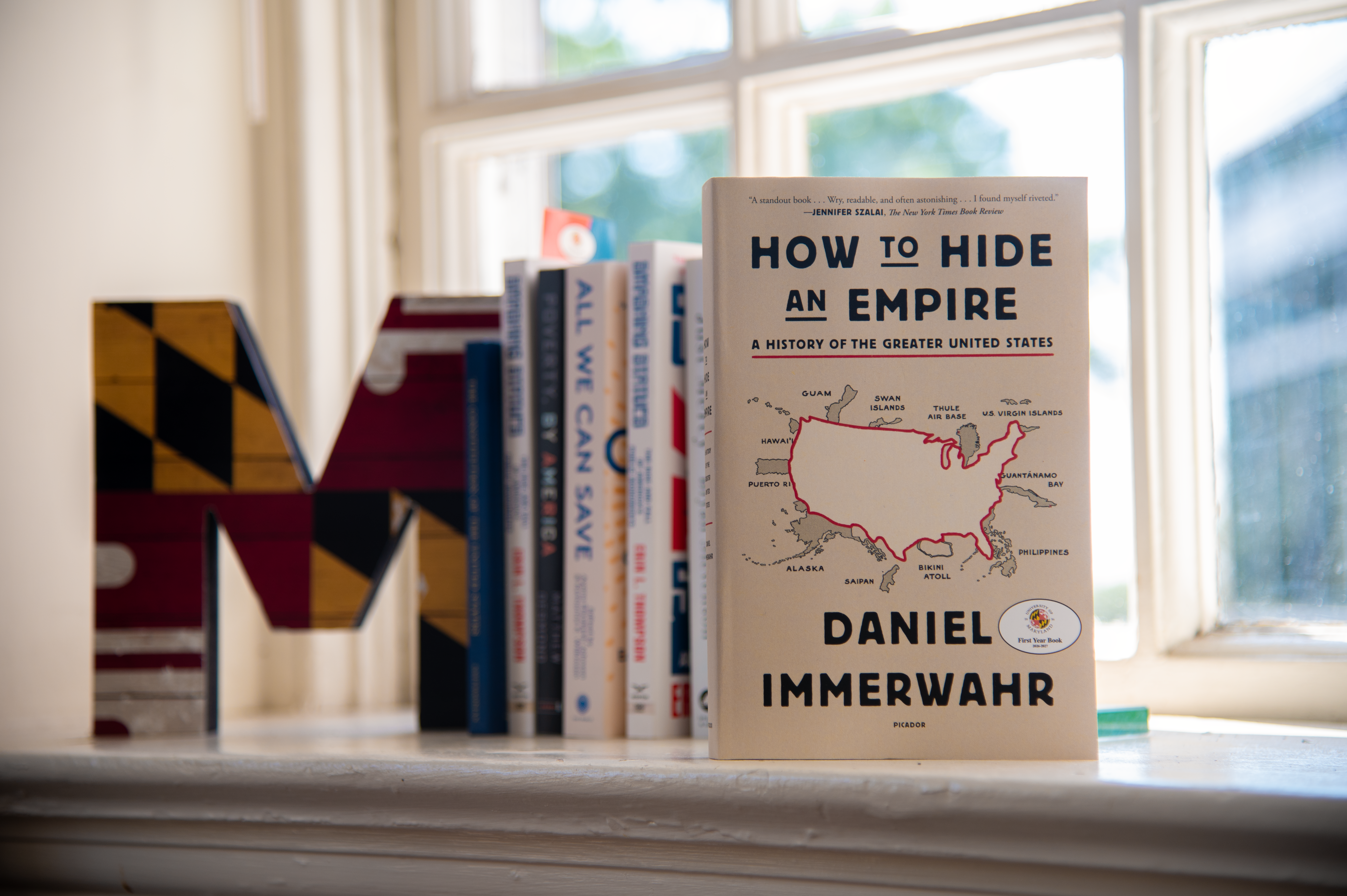
- Immerwahr opens with the “logo map” — the familiar outline of the contiguous states that most Americans picture when they think of the country. Before reading, what did your mental image of the United States include? Did anything in the book change it?
- Why do you think the territories and their populations are so absent from how the U.S. is taught and pictured, even though millions of people have lived under U.S. rule there? Who benefits from that absence?
- The book argues that leaving the territories off the map isn't an accident but a kind of choice. Do you find that persuasive, or are there more innocent explanations?
- Puerto Ricans are U.S. citizens who can't vote for president while living on the island; residents of other territories have different statuses again. How does the book help explain how these unequal arrangements came about — and why they've lasted?
- Immerwahr shows how ideas about race shaped who was granted full membership in the nation and who wasn't. Where did you see that logic operating most clearly?
- Think about the Ponce massacre or the medical experiments described in the Puerto Rico chapters. What do these episodes reveal about the gap between how the U.S. described its role in the territories and what people there actually experienced?
- Did this book change how you understand something you'd been taught in school? What, specifically?
- As you begin college, you're joining an institution that shapes what counts as knowledge worth passing on. After reading this, what would you want your own education to make visible that it currently doesn't?
- Are there empires, borders, or arrangements of power in the world today that you think are "hidden" in the same way Immerwahr describes? How would you go about noticing them?
In the Media
Podcasts:
Articles:
The Best Struggle is the Classroom (Public Books)
All the World’s a Stage: Teaching Daniel Immerwahr’s How to Hide an Empire (Society for History Education)